Google Launches Generative Search Performance Reports
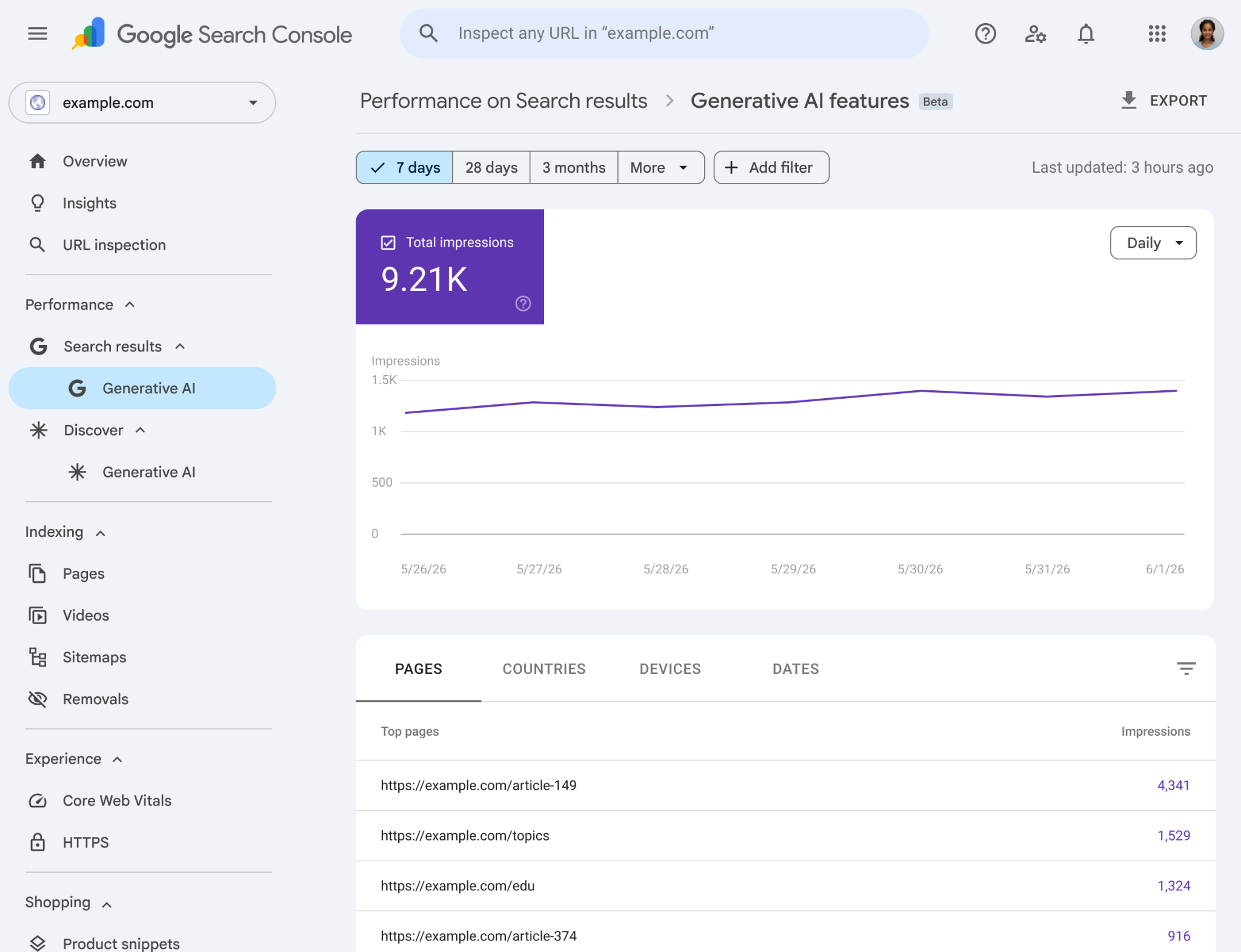
- Google added Generative AI Performance Reports to Search Console so you can see how your pages perform in AI-powered search results.
- The reports track clicks, impressions, and query data specifically from generative search features like AI Overviews.
- Your top-ranking pages in traditional search may barely show up in generative results. These reports tell you which ones and why.
- SEOs now have real data to optimize for both link-based and AI-generated search experiences at the same time.
- This is the first time Google has given webmasters direct insight into generative search visibility, following Microsoft Bing's recent AI Performance tab in Webmaster Tools.
Google rolled out a major update to Search Console that gives webmasters direct visibility into how their content performs in generative search results. The new Generative Search Performance Reports represent a significant shift in how websites track their visibility, moving beyond traditional link-based rankings to monitor performance across search experiences powered by language models.
What Changed
Search Console now includes dedicated performance reports showing how often your content appears in Google's generative search features. This means you can see which pages generate traffic through these emerging search formats, how users interact with that content, and which topics drive the most visibility.
The reports break down performance by:
- Content visibility: How frequently your pages appear in generative responses
- Traffic patterns: Which generative features send the most clicks to your site
- Query coverage: What search queries trigger your content in generative results
- Performance trends: Week-over-week and month-over-month visibility changes
Why This Matters for Your Website
Generative search is reshaping how people discover information. As these features become more prominent in Google's search experience, your site's performance in these results directly impacts your traffic strategy. Without visibility into these metrics, you're flying blind on what might be a significant portion of your organic reach.
Key Insight: Content that ranks well in traditional search doesn't always perform equally in generative results. These reports reveal the gap, letting you optimize for both formats simultaneously.
How to Use These Reports
Once you access the reports in Search Console, you'll spot trends in how search systems use your content. Some pages may appear frequently in generative answers despite moderate traditional rankings these are opportunities to double down. Other high-ranking pages might barely register in generative results, signaling that your content structure or topic angle needs adjustment.
This data helps you:
- Identify which topics generate the most generative visibility
- Adjust content structure to appear more often in generative responses
- Prioritize topics that drive meaningful traffic through these features
- Compare generative performance against your traditional search rankings
- Track how changes to your content affect visibility in generative results
Next Steps for SEO Professionals
Start by checking these reports for your most important pages. Look for discrepancies between traditional search rankings and generative visibility. Pages that rank in the top 10 but rarely appear in generative results might need content restructuring. Conversely, pages with modest traditional rankings but strong generative visibility deserve continued investment and optimization.
Use this data to inform your content strategy moving forward. Understand what types of content, structure, and presentation make search systems more likely to draw from your pages when answering user queries. This feedback loop becomes essential as generative search becomes mainstream.
Google vs. Bing: Both Search Engines Now Track AI Visibility
Google is not moving alone here. Microsoft Bing recently added an AI Performance tab inside Bing Webmaster Tools, giving site owners a dedicated view of how their content performs inside Copilot-powered search results and AI-generated answers on Bing. It tracks impressions, clicks, and which pages get pulled into Bing's AI responses.
The timing is not a coincidence. Both Google and Microsoft are racing to give webmasters the data they need to keep publishing and optimizing, because if publishers stop trusting these AI features, the quality of generative answers drops. Transparency is a business move as much as it is a goodwill gesture.
Google vs Bing on AI Search Reporting: Bing moved first with its AI Performance tab in Webmaster Tools. Google has now followed with its own Generative AI reports in Search Console. Both tools track clicks and impressions from AI-generated results, but Google's integration is deeper given the scale of Search Console usage globally.
What this tells you as an SEO practitioner is clear. Optimizing purely for the blue link is no longer enough. Both major search engines now measure and report AI visibility separately from traditional rankings. That means your content strategy needs two lanes: one for ranking in search results, and one for being cited inside AI answers. The good news is these goals overlap more than they conflict. Clear, authoritative, well-structured content performs well in both.
The Broader Picture
This update signals Google's commitment to transparency as search experiences evolve. By providing these metrics, Google empowers you to adapt your strategy rather than guess about your visibility in systems you cannot see. It's a practical tool for navigating the ongoing transformation of search itself.
Whether you view generative search as an opportunity or a challenge, the data now exists to make informed decisions. The sites that act on these insights earliest will likely gain a competitive edge as these features become standard across both Google and Bing.
Read the full announcement from Google Developers:
Google's Generative Search Performance Reports Announcement →